
Catch-a-Calf is one of the longest-running youth livestock programs at the National Western Stock Show. Each January, 4-H exhibitors from Colorado, Kansas, Nebraska, and Wyoming catch a calf during a rodeo and take it home a few weeks later, where it becomes part of their daily routine for the next year. They bring that same animal back to the following Stock Show as a finished market steer. What sounds simple on paper is a full year of daily care, responsibility, and showing up no matter what else is going on.
The program began in 1935, when 10 boys each received a sponsored calf. It caught on quickly, growing to 52 calves by 1942. After World War II, it settled into the 40-calf format that still holds today. More than 80 years later, nearly 3,000 steers have gone through the program, each raised and shown by a young exhibitor who puts in the work day in and day out.
For exhibitors like Madi Steinman, the work starts even before the calf comes home. From the moment she hit the dirt trying to catch her calf to the second she had him in her arms, she was already thinking ahead. From budgeting to feed logistics, scheduling, and more. Then, from the moment she brought her calf, Boone, home, he became the biggest part of her everyday life. Rain or shine, tired or energized, feeding, walking, cleaning, and training don’t stop. The calf still has to be taken care of, and that consistency and discipline become the backbone of the year.
A lot of the work is really about preparing for a day that is still months away. Exhibitors spend that time getting calves used to people, noise, movement, and the rest of the busy show environment. They practice the small things over and over again, how to walk correctly, how to stop and set up, how to keep their head where it needs to be when everything around them is loud and unfamiliar.
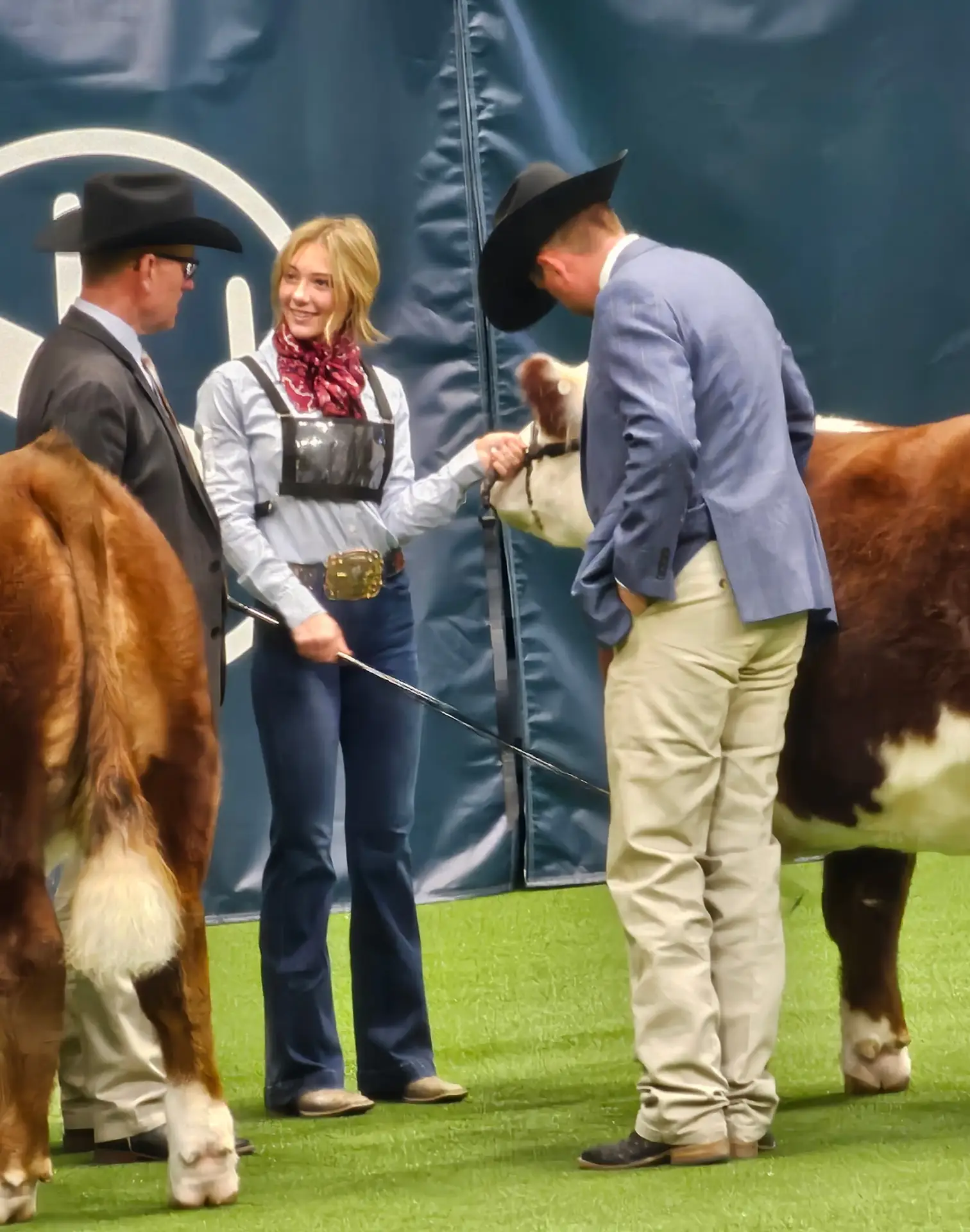
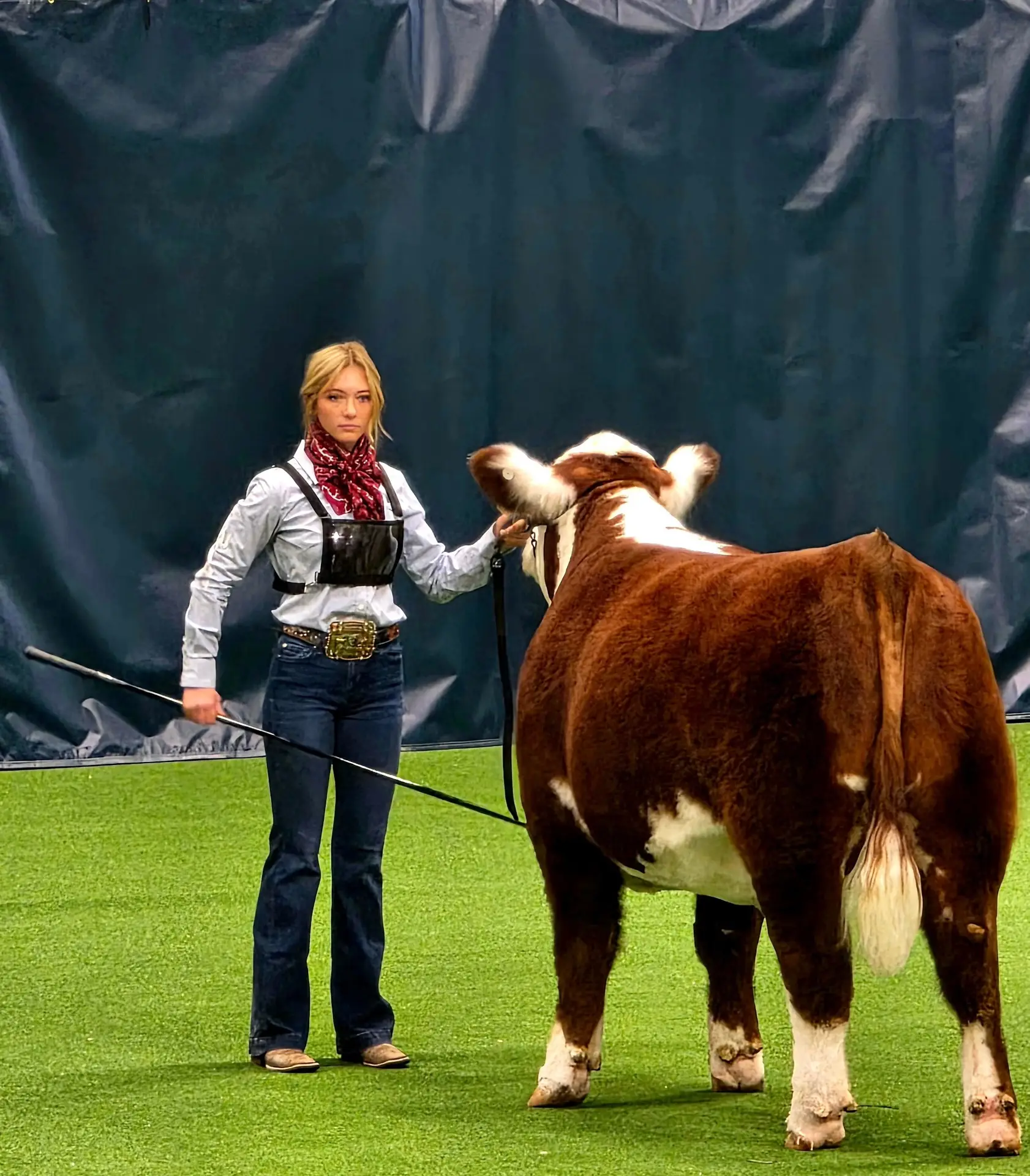
Madi says her time in the Catch-a-Calf program was a year where you just keep showing up. Some days, you see progress right away. Other days, you don’t. But the work does not really change, and that is where most of the learning happens anyway.
Her mom, Erin, saw that same thing unfold over time. She said Madi’s biggest shift came when she realized Boone’s progress was completely tied to her consistency. When something was not working, she had to figure it out, adjust, and keep going. There was no passing it off or waiting for someone else to fix it. That ownership is what changed everything.
Mentorship and sponsorship support are key elements of the Catch-a-Calf program. Each exhibitor is paired with a sponsor who financially supports them and remains involved throughout the year. Some of those relationships last for years, even decades, and become part of the experience just as much as the calf does.
For Madi, the support of her sponsor and mentors really mattered alongside figuring out how she could support Boone every day. She has said that Catch-a-Calf builds responsibility in a very real way because it teaches patience the hard way, through repetition and progress that does not always show up on your timeline.
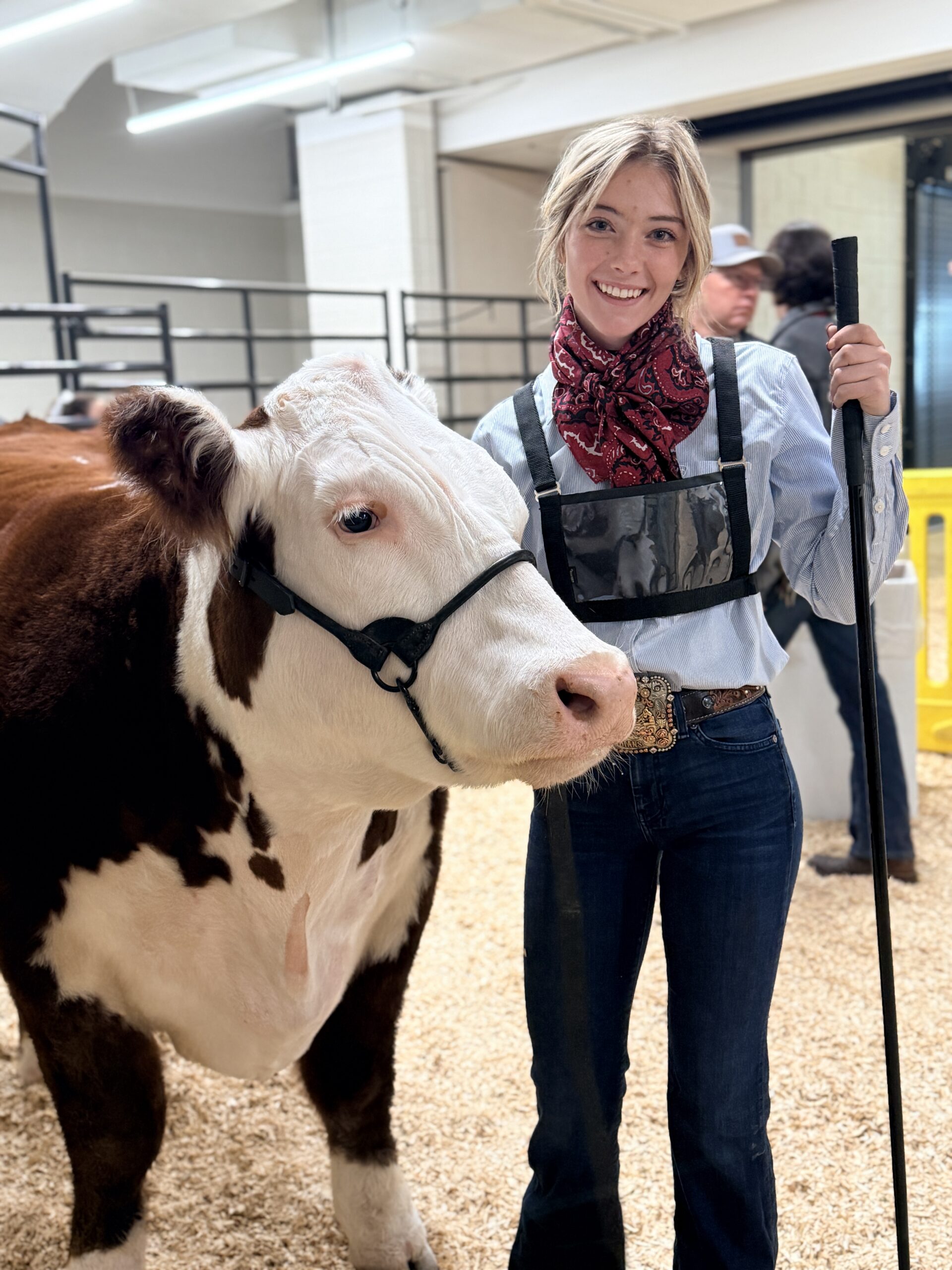
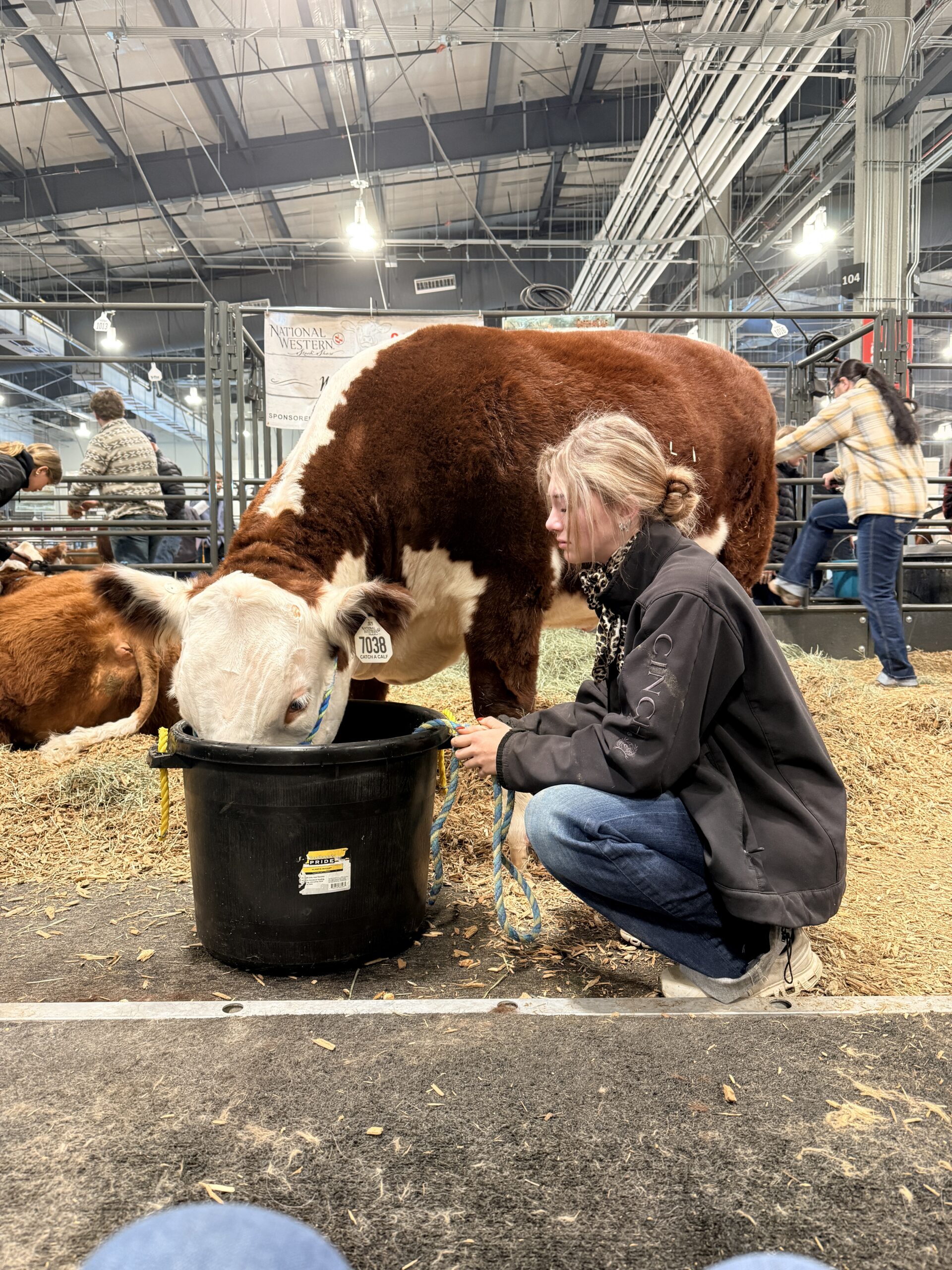
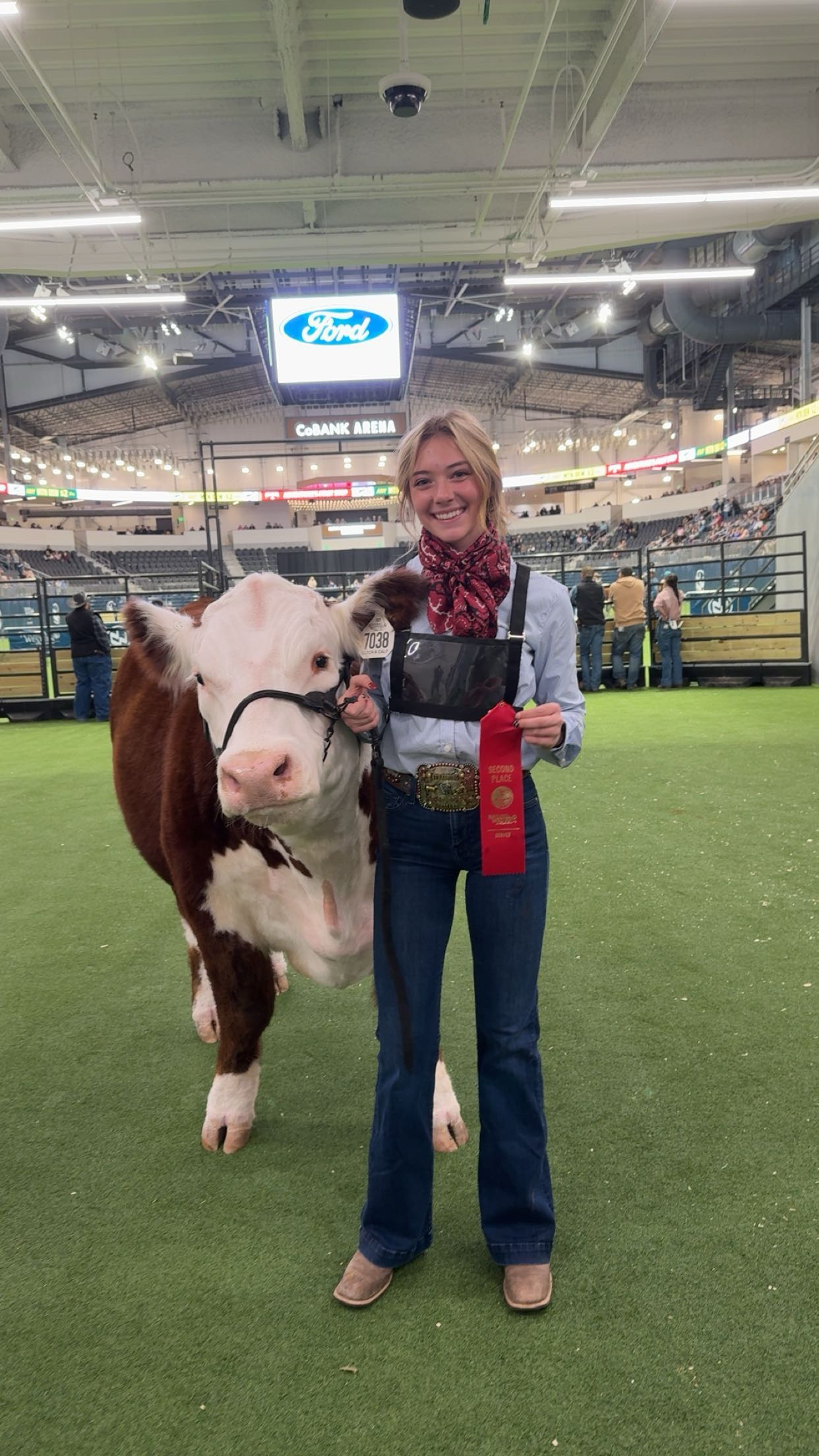
It also encourages exhibitors to learn practical life skills. Budgeting feed, planning ahead, managing time between school, life, and their calf. It forces them to think a few steps ahead and plan rather than simply reacting.
Catch-a-Calf is about preparing a steer for the next National Western Stock Show, but it’s really about everything that leads up to it. The early mornings, the repetition, the work that blends into everyday life until it suddenly adds up in the ring. That’s what sticks with these exhibitors long after they leave the ring.
For more information or to be part of the 2027 National Western Stock Show Catch-a-Calf program, visit: https://nationalwestern.com/catch-a-calf.
