1970-1975
During these 25 years the National Western Stock Show (NWSS) would grow and expand in many different directions. The Trade Show would grow into the market we know today, more livestock and horse events would take place and the Yards would continue to be a focal point of the livestock show.
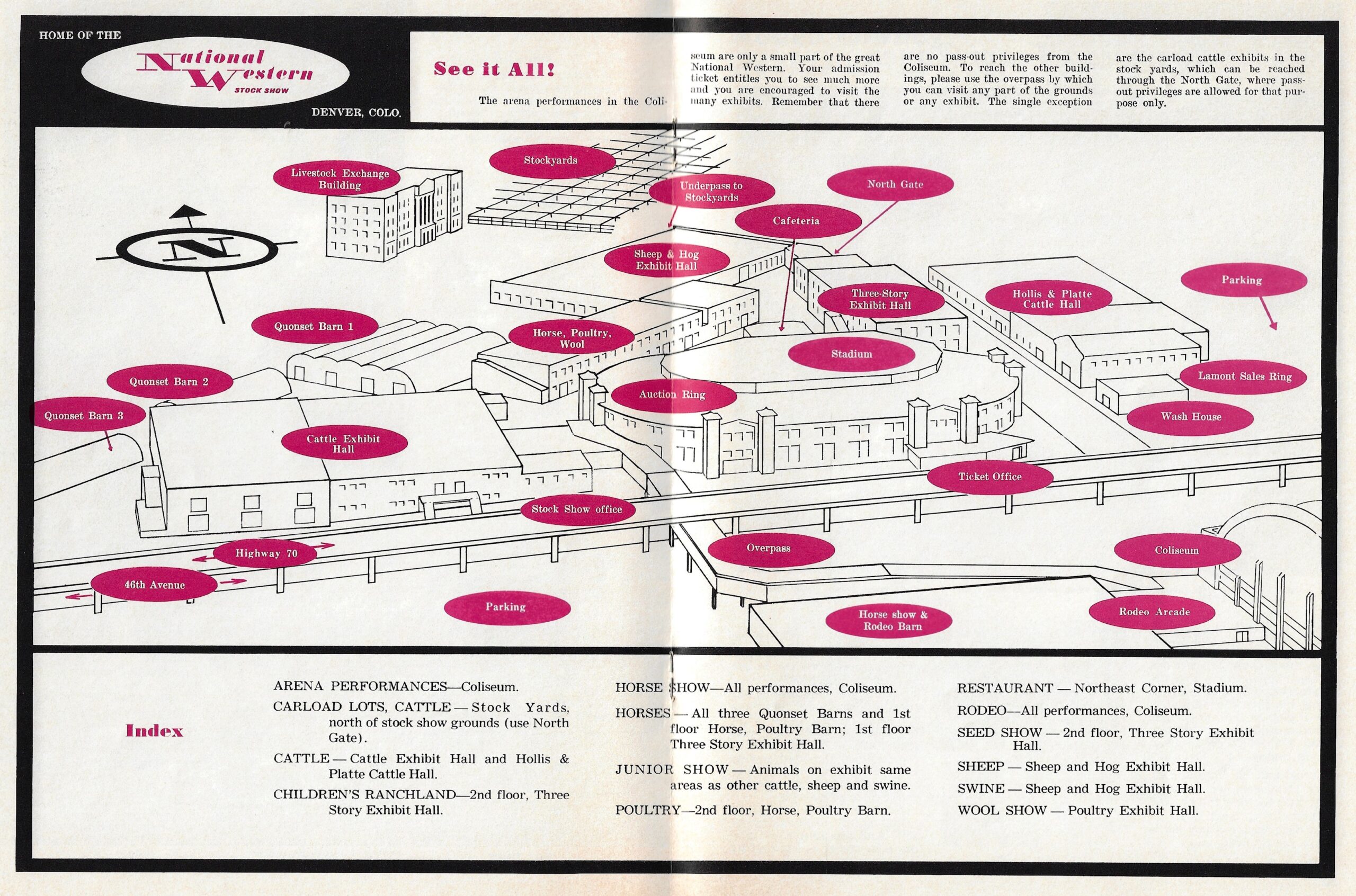
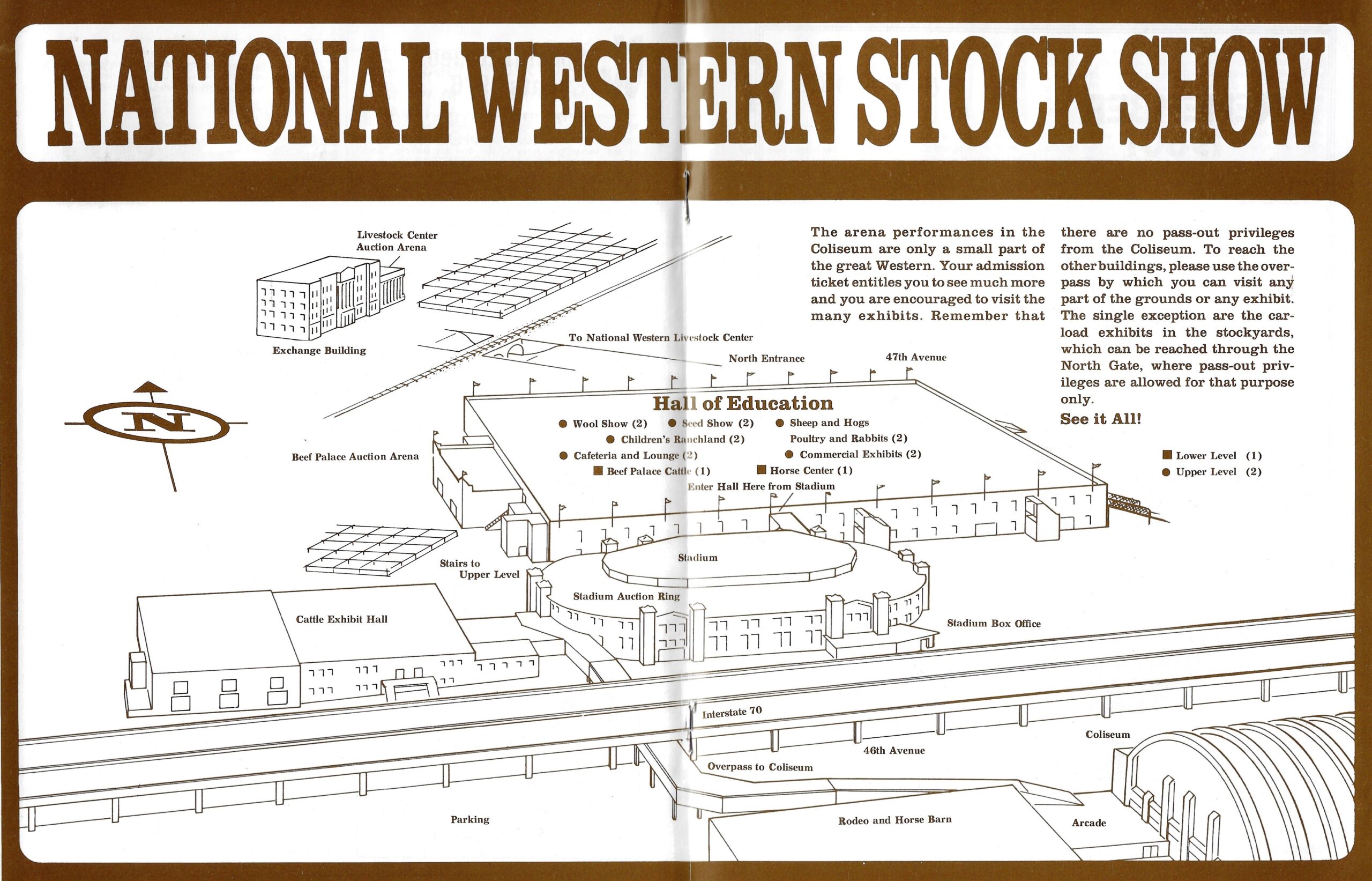
Realizing the needing for more space the National Western (NW) through the Western Stock Show Association (WSSA) developed its first expansion master plan in the late 1960s. The plan called for raising $2.5 million dollars to build the Hall of Education, a building designed for year around use. This building would occupy the two blocks immediately north / northeast of the Stadium Arena. The lower level would consist of livestock pens and stables with exhibit space on the second or main floor. It would have kitchens, the National Western Club, and the Beef Palace Auction Arena at the west end.
To construct this building in time for the 1973 National Western, ten days after the 1972 stock show ended, all the buildings in the two blocks just north and east of the Stadium Arena were torn down. This included the two-story horse barn, the three-story horse barn, the club building, the Hollis and Platt cattle barn, the Lamont Pavilion, and the Burlington Railroad warehouse. The Hall of Education building was built entirely with private funds and opened in time for the 1973 stock show.
Two other events around the turn of the century also included livestock exhibits, the Denver Fat Stock and Feeder Show which met in Denver sporadically between 1899 and 1906 and the Festival of Mountain and Plain which included cattle exhibits between 1895 and 1903.
Livestock and horse shows expand
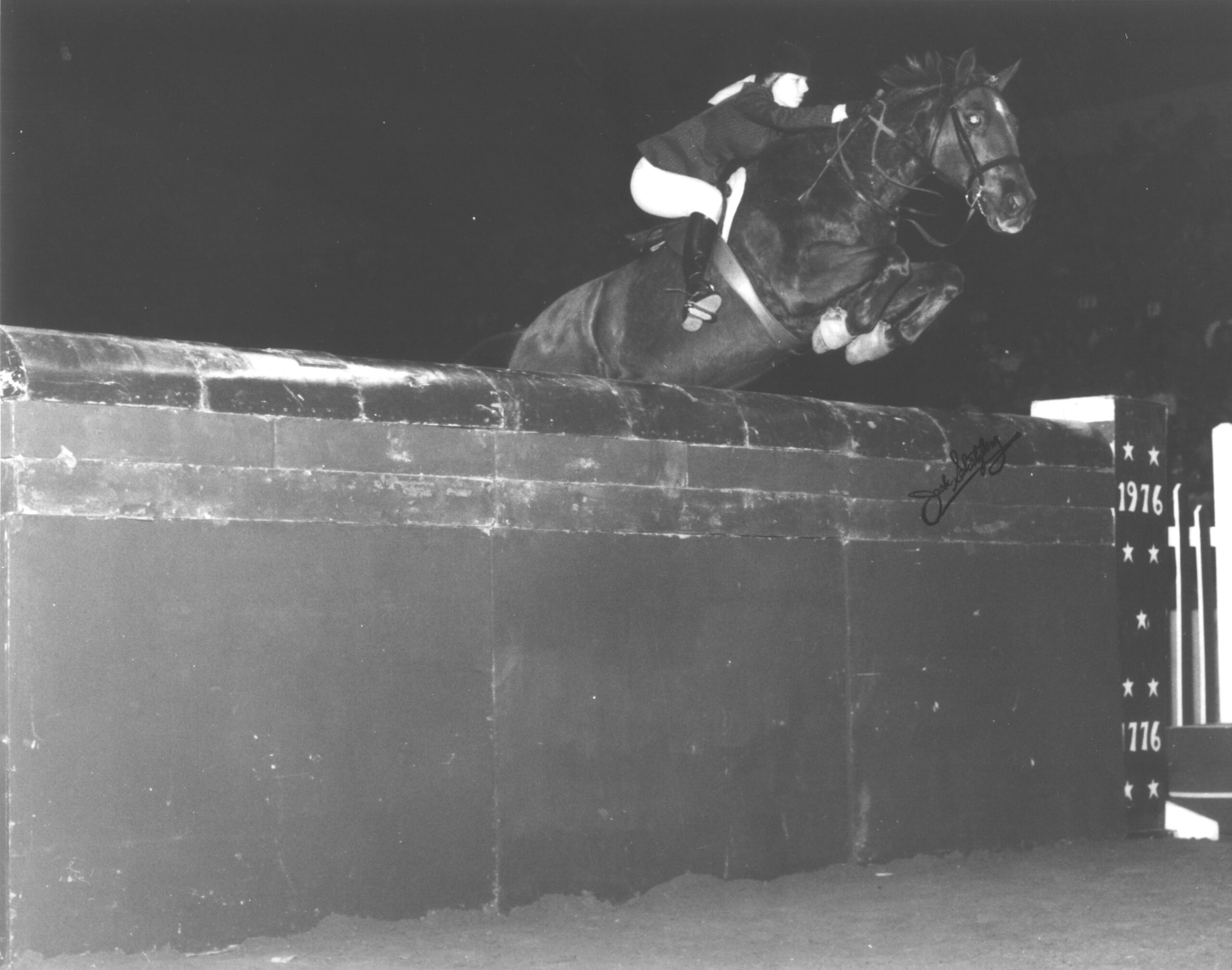
In 1975 the Paint horse sale joined the Quarter Horse sale as must attend events for horse lovers.
Beginning in the late 1960s the “invasion” of Continental breeds of cattle into the United States occurred. Fortunately, the foresight of the WSSA board and the expansion of the National Western Stock Show Grounds allowed the National Western to welcome them as they became more prevalent in the livestock industry.
In 1965 three breeds of cattle held shows at the National Western, Angus, Hereford and Shorthorn. By 1969 three more breeds were showing at the NW, Charolais, Santa Gertrudis and Galloway cattle returned to the National Western.
Beginning in the late 1960s the “invasion” of Continental breeds of cattle into the United States occurred. Fortunately, the foresight of the WSSA board and the expansion of the National Western Stock Show Grounds allowed the National Western to welcome them as they became more prevalent in the livestock industry.
In 1965 three breeds of cattle held shows at the National Western, Angus, Hereford and Shorthorn. By 1969 three more breeds were showing at the NW, Charolais, Santa Gertrudis and Galloway cattle returned to the National Western.
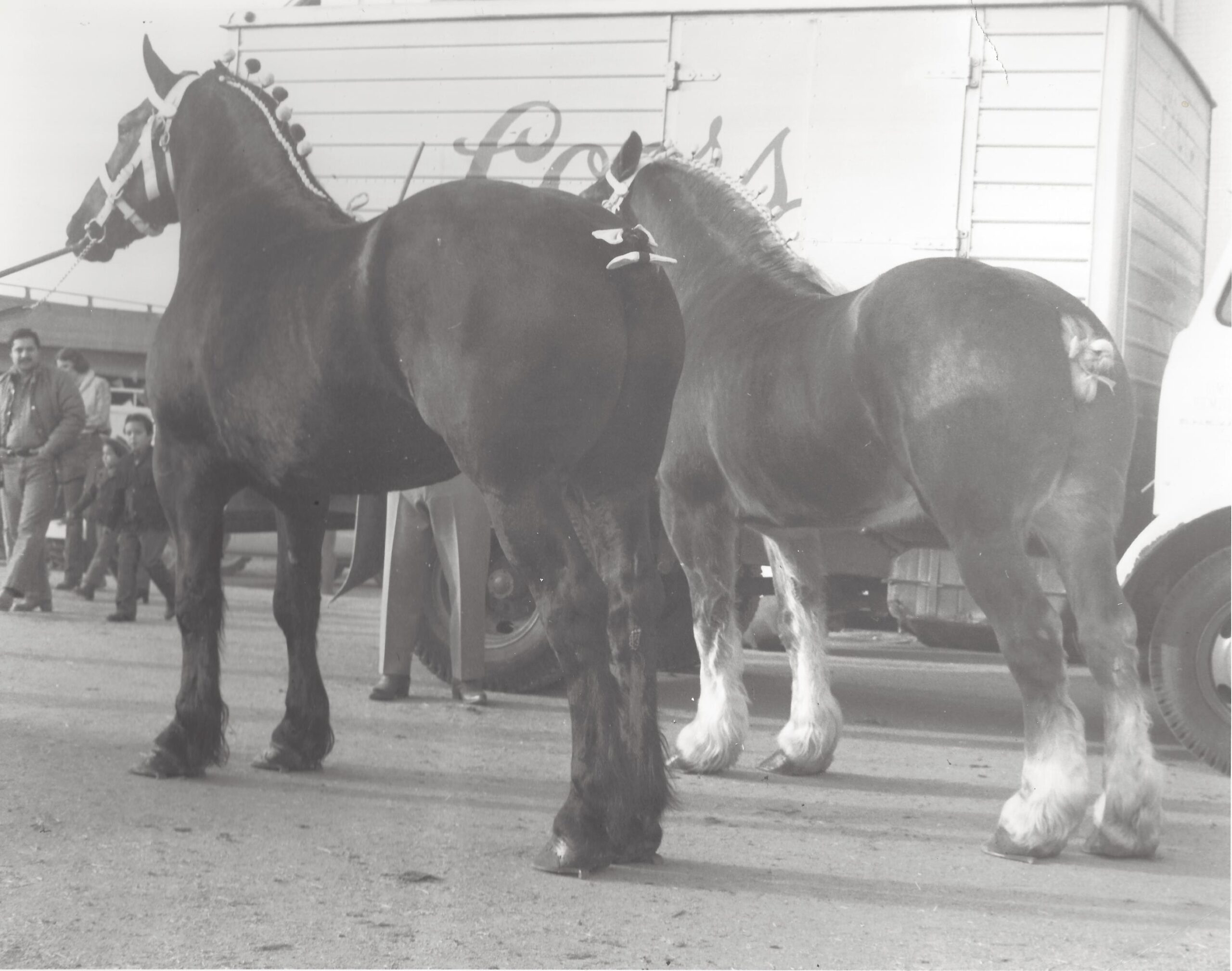
After a 30 plus year hiatus, in 1981, for the 75th anniversary of the stock show draft horses would be reintroduced at the National Western.
The growth of the NWSS during the 1970s and 1980s was tremendous. By the late 1980s the stock show had grown to the point the Denver Fire Department was concerned about the large crowds and ensuing congestion and threatened to put a ceiling on stock show attendance. With this as the spark in 1989 a Denver Bond issue was passed to expand the stock show.
The proceeds from the bond issue were used to expand the Hall of Education with a three-story Expo Hall addition on the east side which included the administrative offices, a small animal exhibit area on the west side and a “connecting link” between the Hall of Education and the Stadium Arena. This expansion was completed in 1991.
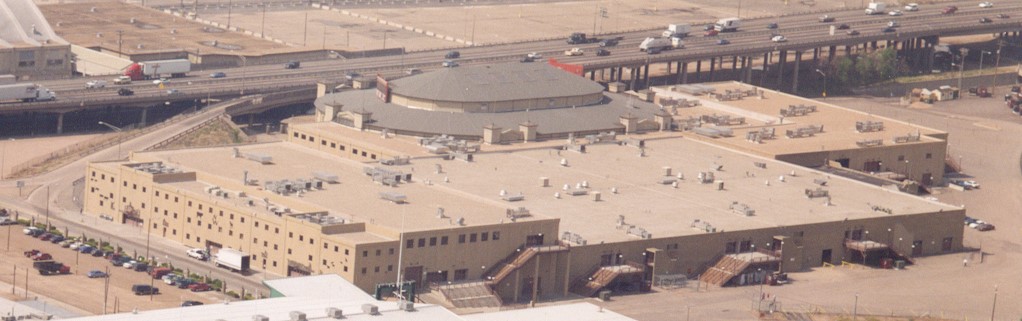
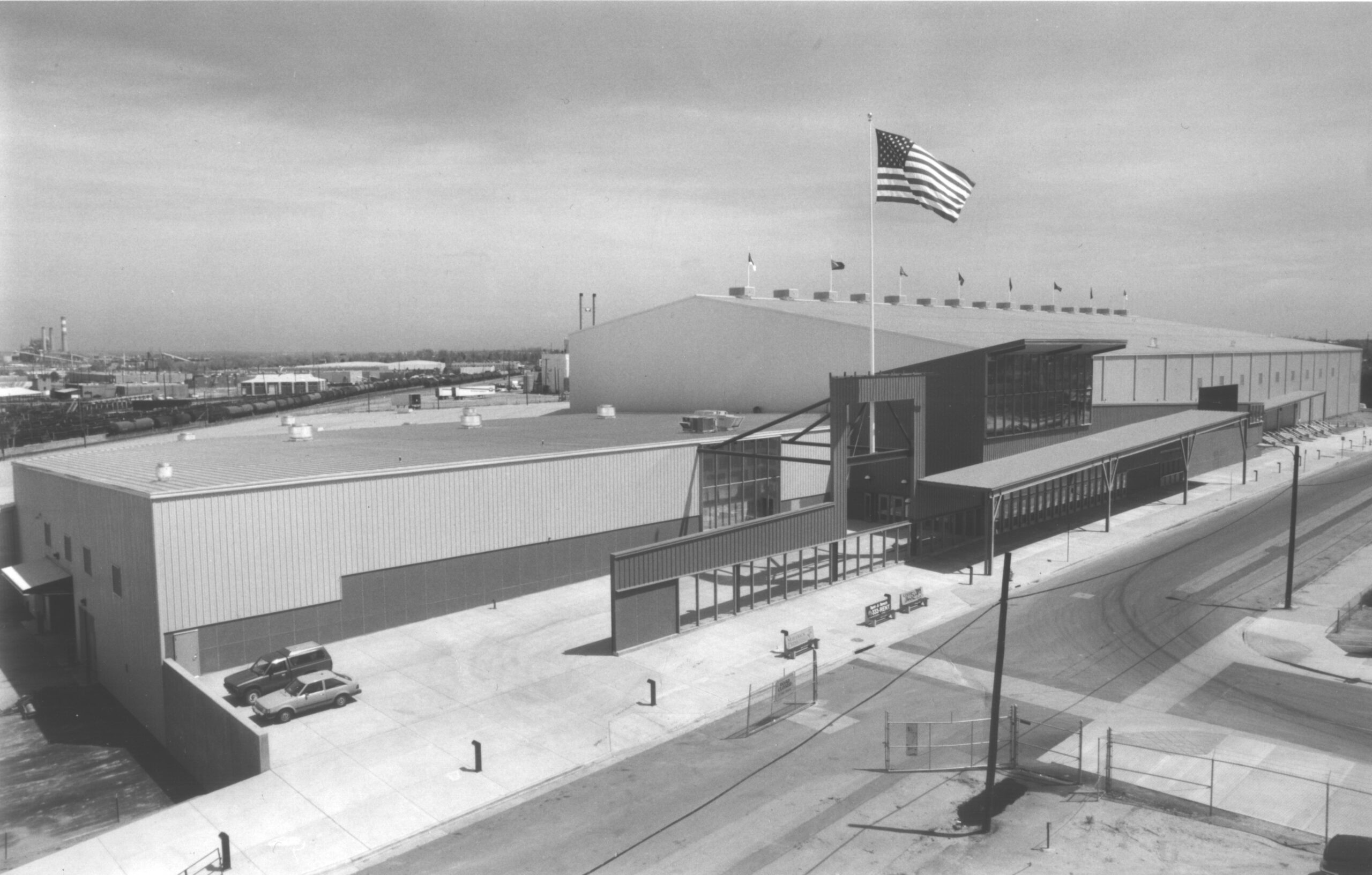
The bond issue also provided funds for the $13 million Events Center which opened for the 1995 stock show. Construction of the Events Center involved the tearing down of the Shambles Inn, 4696 Humboldt Street and 47thAvenue, and the Picador Café, 4701 Lafayette.
With the completion of the Events Center in 1995 each area of the National Western Stock Show, Horse Show and Rodeo now would have its own primary facility. The Coliseum became primarily rodeo, the Stadium Arena, small animal barn, and Yards primarily livestock, and the Events Center primarily equestrian.
Remember back in 1906 four breeds of cattle were shown at the first stock show, Aberdeen Angus, Galloway, Hereford, and Shorthorn cattle. Between 1970 and 1995 28 breeds of cattle were shown and/or held sales at the National Western Stock Show.
The 28 breeds present at the National Western during these 25 years were:
Angus
Beefalo
Blond d’Aquitaine
Brangus
Charolais
Chianina
Friesian
Galloway
Gelbvieh
Hereford
Hereford, polled
Hereford, horned
Highland
Limousin
Maine Anjou
Marchigiana (Marky)
Murray Grey
Pingauer
Piedmontese
Red Angus
Salers
Santa Gertrudis
Shorthorn
Simbrah
Simmental
South Devon
Tarentaise
Texas Longhorns
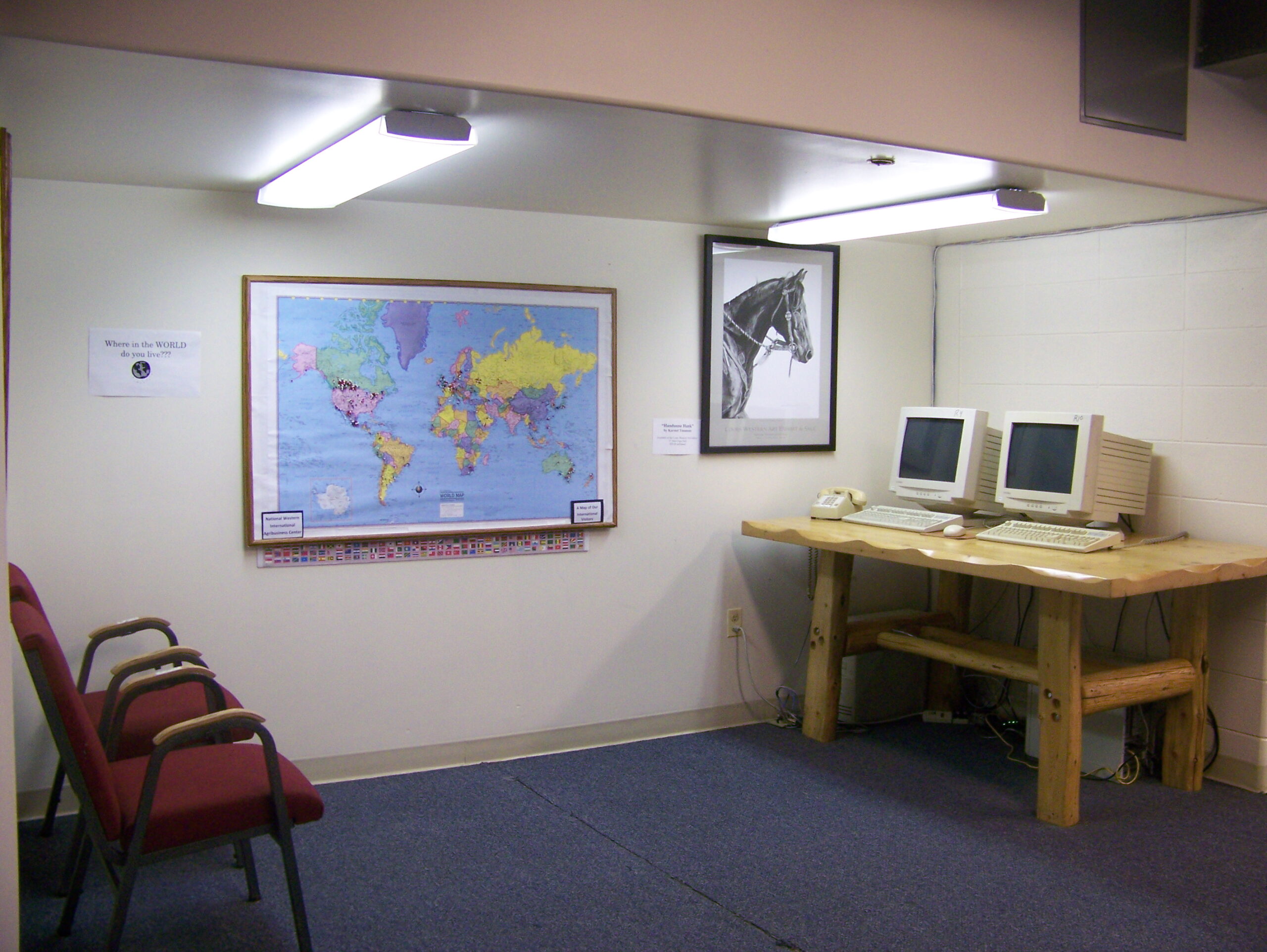
As the prominence of the National Western Stock Show grew, guests from outside the United States became more frequent, and in 1982 the International Center opened for visitors from outside the United States.
Old programs come to an end
These years were an eventful time for the National Western Stock Show. In addition to the changes in the stock show’s grounds and buildings long standing events would leave and new events would begin.
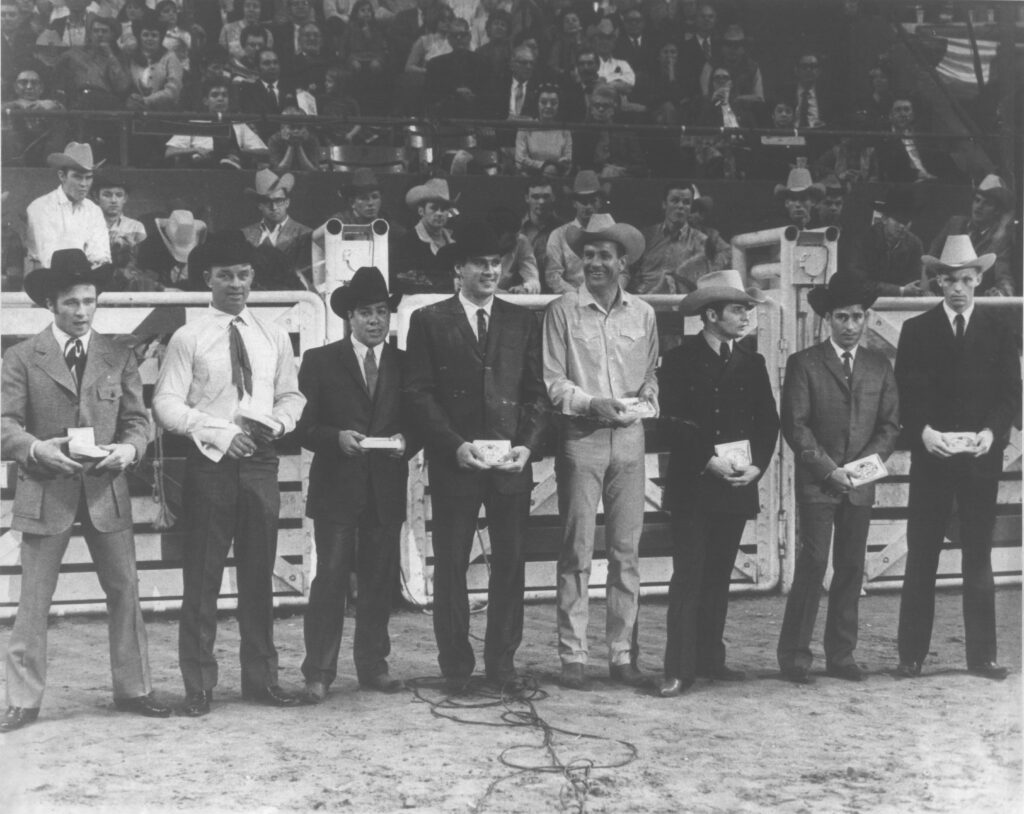
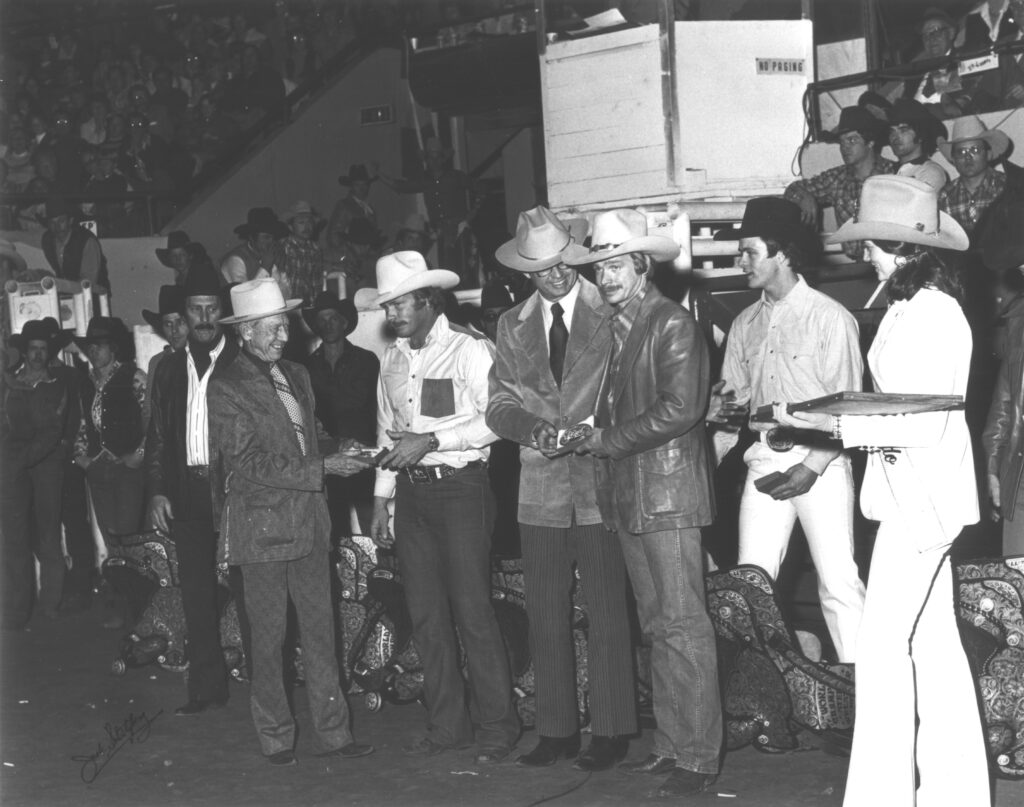
1984 would be the last year the National Western World Championship Rodeo Night was held during the National Western Rodeo. It was the evening where the RCA/PRCA Champions from the prior year were recognized and received their Championship buckles.
It had been held at the Thursday evening rodeo for over 30 years. Not only were the RCA world champions recognized, but in many years the bucking stock of the year was also. For several years, the World Champion saddle bronc rider would ride the Champion horse of the year.
The next year, 1985, was the last year the World Steer Show, the World Barrow Show and the World Wether Show would be held. Taking their place in 1986 were the Junior Market Shows, Beef, Lamb and Swine, and the Junior Auction of Champions.
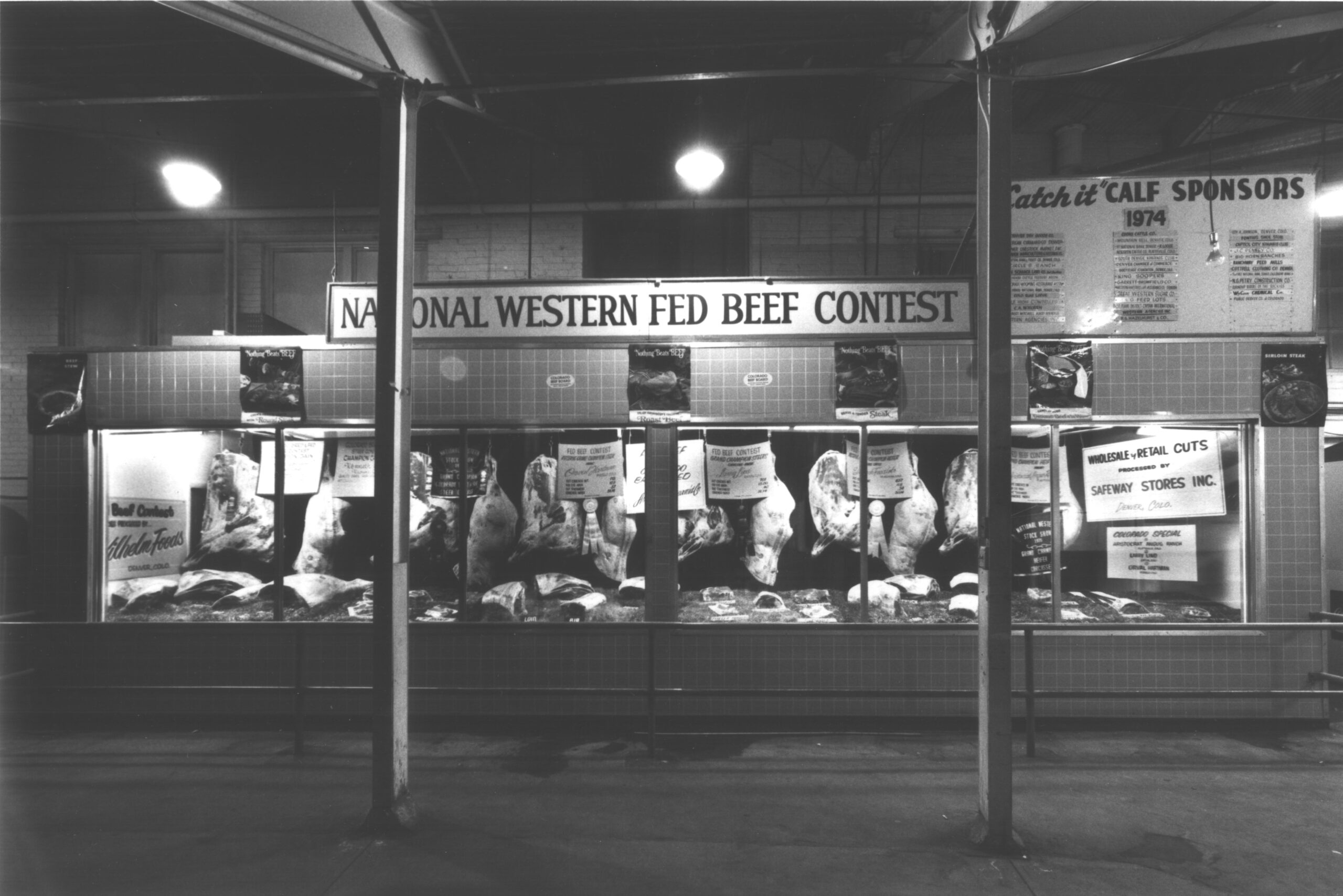
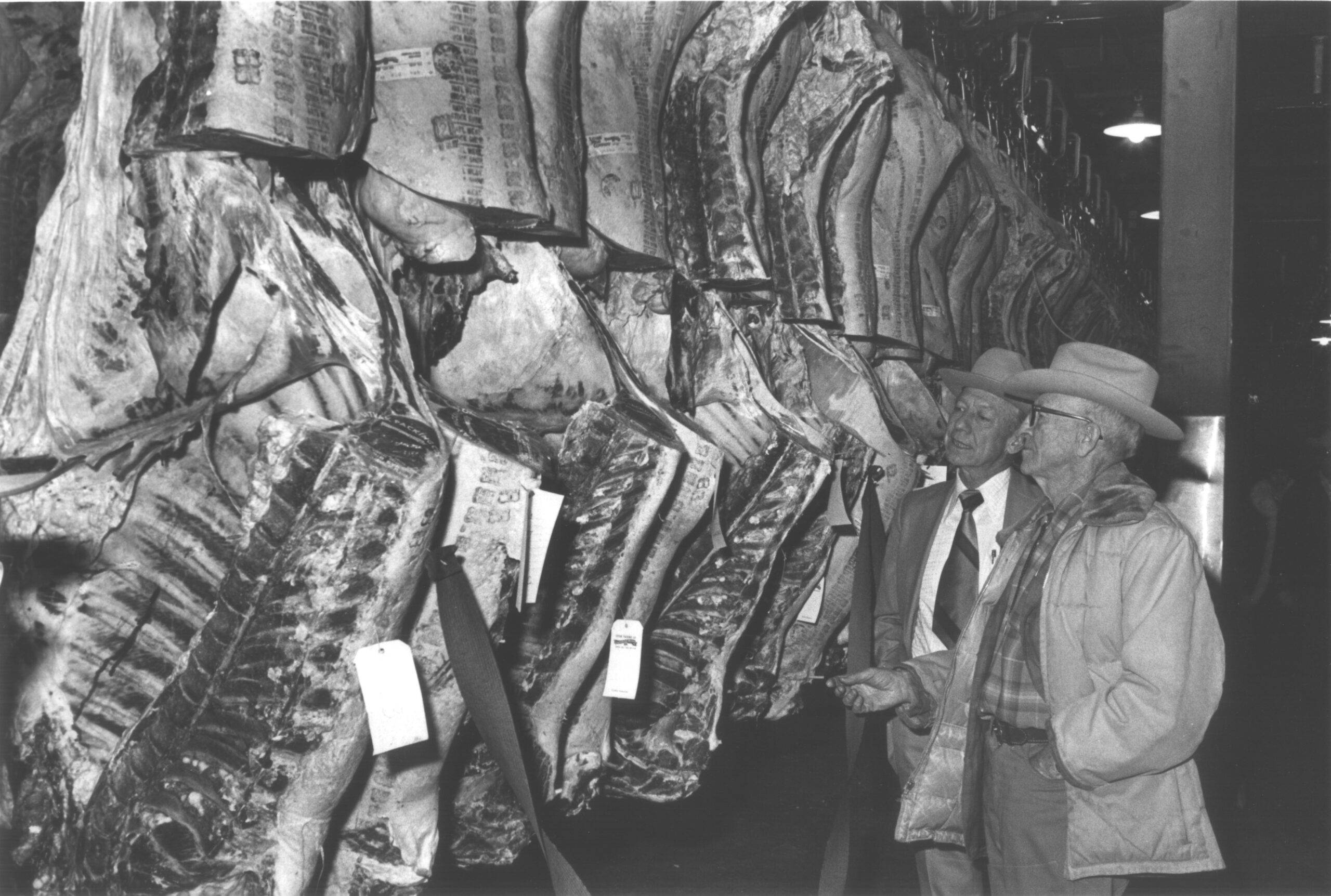
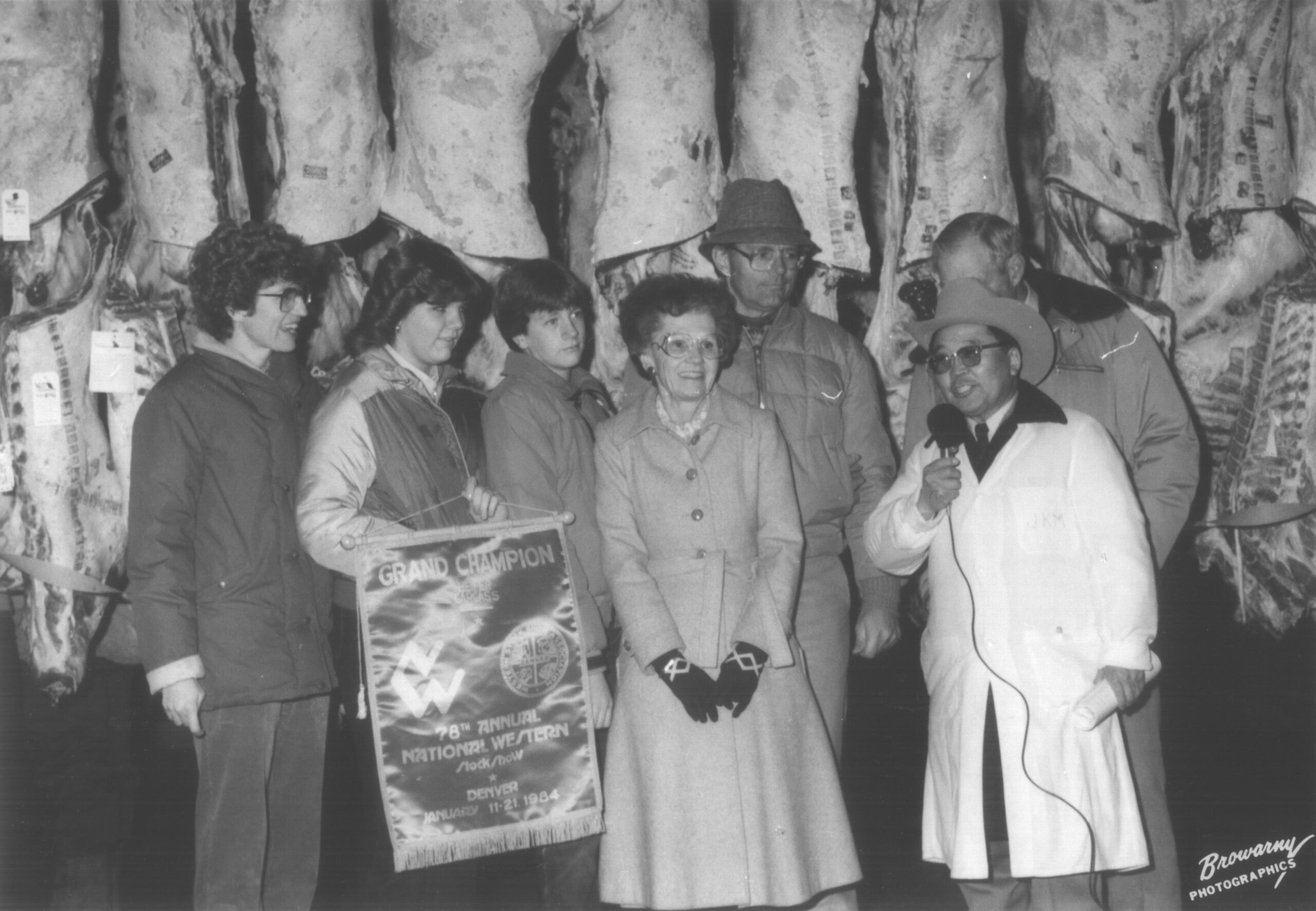
The beef carcass contest provided feedback to stock producers, comparing the quality of the animal’s appearance on the hoof to the animal’s appearance on the hook, and continued to provide an educational opportunity to the public.
Introducing New Programming
The beef carcass contest provided feedback to stock producers, comparing the quality of the animal’s appearance on the hoof to the animal’s appearance on the hook, and continued to provide an educational opportunity to the public.
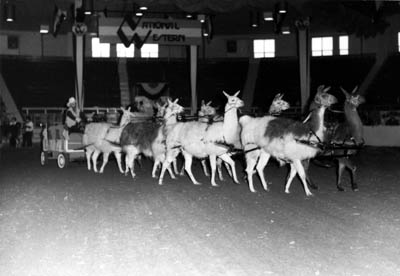
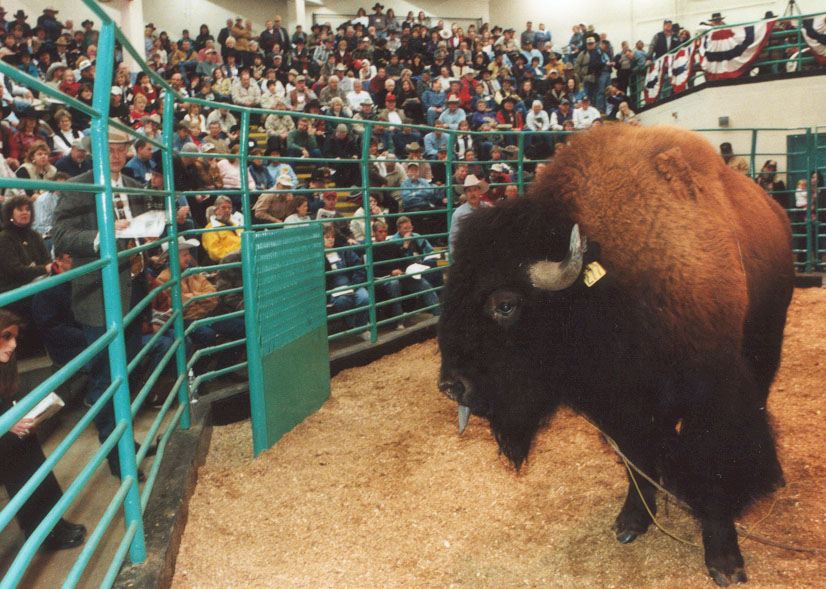
The Horse Show wasn’t the only area to have new and interesting events looked forward to by stock show visitors. In 1985 the Llama show began. In 1994 the Gold Buckle Bison show began on the last weekend of the National Western.
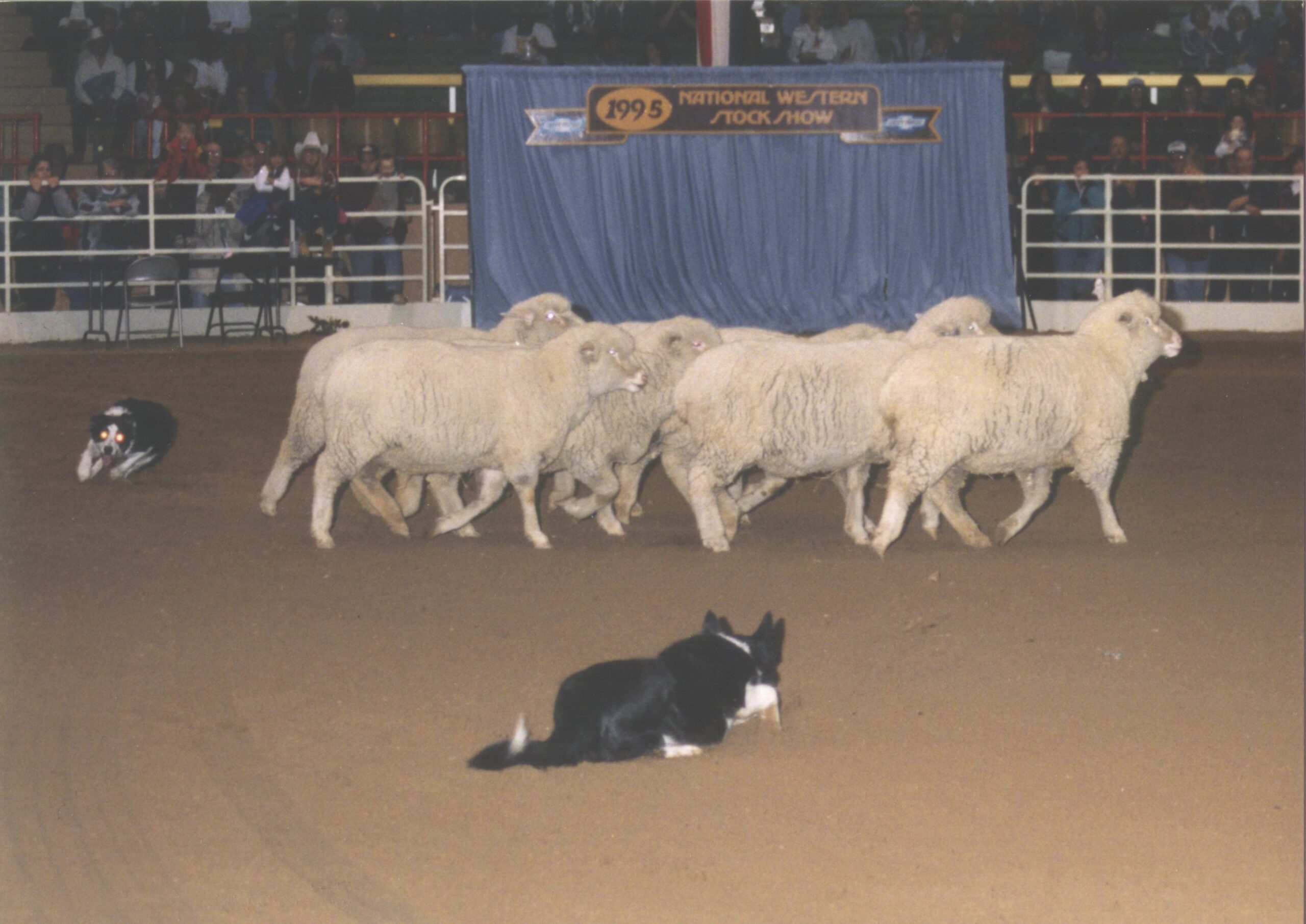
It was in 1995 that one of the favorite events for visitors began. The first working stock dog event was held. With cattle dogs in the Yards and sheep dogs in the Stadium Arena, visitors were kept enthralled.
The National Western Stock Show will continue to evolve during the next years as it arrives at its 100th anniversary and beyond, what we’re calling the Centennial years.